
What Is Conjunctivitis?
Conjunctivitis is defined as an inflammation of the conjunctiva. The conjunctiva is the thin membrane that lines the inner surface of the eyelids and the whites of the eyes. Conjunctivitis can affect children and adults. The most common symptoms of conjunctivitis include a red eye and discharge.
There are many potential causes of conjunctivitis, including bacterial or viral infections, allergies, or other conditions (eg, a foreign body in the eye). All types of conjunctivitis cause a red eye, although not everyone with a red eye has conjunctivitis. Other causes of red eyes can be uveitis, closed angle glaucoma or a conjunctival bleed.
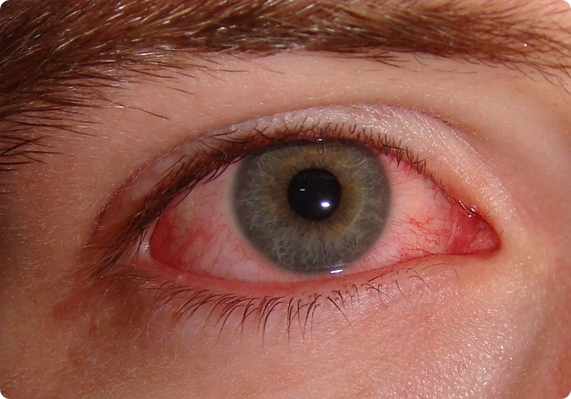

Types of conjunctivitis
1) ALLERGIC CONJUNCTIVITIS
Allergic conjunctivitis is caused by airborne allergens that come in contact with the eye. Symptoms may be sudden in onset (acute), seasonal, or present the whole year (perennial). The most common symptoms include itching, redness and a watery discharge. There may also be a burning sensation, sensitivity to light and swelling of the eyelids. Rubbing the eyes can worsen the symptoms.
Acute allergic conjunctivitis: This is a sudden-onset reaction that occurs when a person comes in contact with a known allergen, such as cat dander. Symptoms include intense episodes of itching, redness, tearing, and swelling of the eyelid. Symptoms can be severe, although they usually resolve within 24 hours of removal of the allergen.
Seasonal allergic conjunctivitis: This is a form of eye allergy that usually causes milder (but more persistent) symptoms during a particular season. Seasonal allergens include tree pollens in the spring, grass pollens in the summer, and weed pollens in the late summer and autumn.
Perennial allergic conjunctivitis: This is a mild, chronic conjunctivitis that lasts throughout the year. It may be related to year-round environmental allergens such as dust, smoke, dust mites, animal dander and molds.
Allergic conjunctivitis treatment:
Unfortunately we cannot cure allergies, but we can keep the symptoms under control. There are a number of treatments available for the symptoms of allergic conjunctivitis. An eye drop that works well for one person may not necessarily work for another. We can help you by trying different options and combinations until we find the ones that work for you. In addition, basic eye care is important.
Basic eye care:
- Avoid rubbing the eyes. If itching is bothersome, use artificial tears, a cool compress, or antihistamine eye drops.
- Minimize exposure to pollen by staying inside when possible, avoiding air conditioning, and keeping car and home windows closed during the peak allergy seasons
- Sunglasses are very important to shield your eyes from the sun and from wind and dust
- Treat dry eyes – People with allergic conjunctivitis often produce an inadequate amount of tears, which can cause dryness of the eye. This can worsen symptoms of allergic conjunctivitis. Treatment for dryness is with lubricating eye drops, and they can be used as often as you want with no side effects.
- A humidifier can also improve dryness.
2) VIRAL CONJUNCTIVITIS
Also sometimes called “pink eye”. Viral conjunctivitis is typically caused by a virus that can also cause the common cold. A person may have symptoms of conjunctivitis alone, or as part of a general cold syndrome, with swollen glands, fever, a sore throat, and runny nose.
Viral conjunctivitis is highly contagious. It is spread by contact, usually with objects which have come into contact with the infected person’s eye secretions. As examples, the virus can be transmitted when an infected person touches their eye and then touches another surface (eg, door handle) or shares an object that has touched their eye (eg, a towel or pillow case).
The most common symptoms of viral conjunctivitis include redness, watery or mucus discharge, and a burning, sandy, or gritty feeling in your eyes. Some people have morning crusting followed by watery discharge, perhaps with some scant mucus discharge throughout the day. The second eye usually becomes infected within 24 to 48 hours.
There is no cure for viral conjunctivitis. Recovery can begin within days, although the symptoms frequently get worse for the first three to five days, with gradual improvement over the following one to two weeks. In severe cases the condition may even take 3 weeks or longer to clear up.
Treatment: Topical anti-inflammatory / decongestant eye drops may help to relieve the irritation of viral conjunctivitis. Particular care must be taken to avoid spreading viral infections from one eye to the other. Apply drops only to affected eye and wash hands thoroughly after application. This treatment may reduce the symptoms but does not shorten the course of the infection. Another option is to use cool compresses to relieve the discomfort and help with the swelling.
3) BACTERIAL CONJUNCTIVITIS
Bacterial conjunctivitis is caused by a bacteria and therefore needs antibiotic treatment. It can also be contagious and may affect more than one family member and sometimes several children at a school may be affected.
The most common symptoms of bacterial conjunctivitis include redness and thick discharge from one eye, although both eyes can become infected. The discharge may be yellow, white, or green, and it usually continues to drain throughout the day. The affected eye often is “stuck shut” in the morning.
Most types of bacterial conjunctivitis resolve quickly and cause no permanent damage when treated with antibiotic eye drops or ointment. When started early, treatment helps to shorten the duration of the symptoms, although some cases may resolve spontaneously if no treatment is used.
How to prevent conjunctivitis
Bacterial and viral conjunctivitis are both highly contagious and spread by direct contact with secretions or contact with contaminated objects. Simple hygiene measures can help minimize transmission to others.
- Adults or children with bacterial or viral conjunctivitis should not share handkerchiefs, tissues, towels, cosmetics, or pillows with uninfected family or friends.
- Hand washing is an essential and highly effective way to prevent the spread of infection. Hands should be wet with water and plain soap, and rubbed together for 15 to 30 seconds. It is not necessary to use antibacterial hand soap. Teach children to wash their hands before and after eating and after touching the eyes, coughing, or sneezing.
- Alcohol-based hand rubs are a good alternative for disinfecting hands if a sink is not available. Hand rubs should be spread over the entire surface of hands, fingers, and wrists until dry, and may be used several times. These rubs can be used repeatedly without skin irritation or loss of effectiveness.
Because the symptoms of the different types of conjunctivitis can be very similar, and there are other conditions that may cause a red eye, please do not try to self-diagnose or self-medicate. Rather make an appointment so that a proper diagnosis can be made and the correct treatment can be initiated.